
You’re preparing for a big move, and then in the midst of all the boxes and chaos, it hits you: you can’t move your belongings directly from origin to destination. Maybe your new lease starts days after your current one ends, your home sale closes before your new home is ready, or you’re downsizing and unsure what to keep. Regardless of the reason, storage when moving might be essential.
But as you begin to explore your options, it becomes clear that moving and storage services aren’t as simple as renting a unit and dropping off your boxes. There are many types of storage to consider, from full-service storage handled by professionals to self-storage options you manage yourself. The best option depends on the timing, accessibility, and budget.
In this blog, we’ll break down the different types of moving and storage service options available and help you determine the best fit for your move.
Types of Storage When Moving
Full-Service Moving Companies With Storage
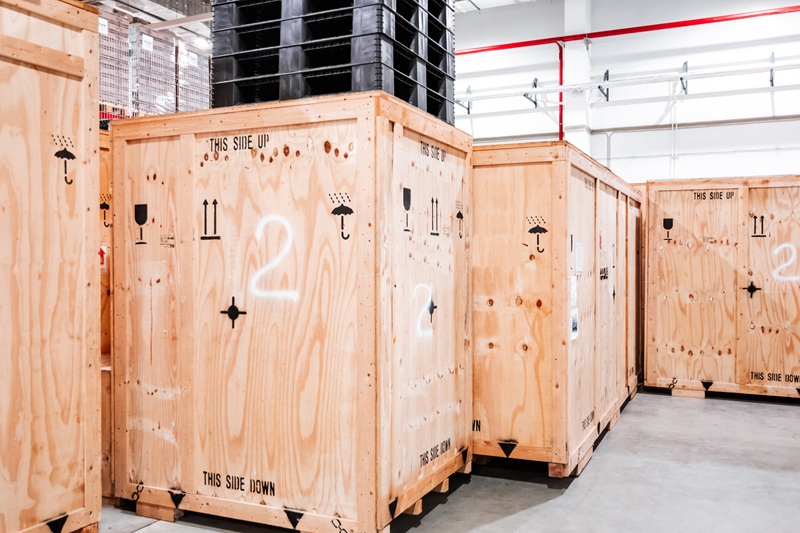
Many moving companies offer full-service storage, which provides the easiest and most professional solution. Movers pick up your belongings from home, inventory each item, and pad-wrap furniture to prevent damage. Next, movers load items into secure vaults and store oversized pieces like sofas and pianos on dedicated racks.
The vaults are stored in assigned locations in the company’s secure facility. When ready, everything is reloaded onto the truck and delivered directly to your new home. On your part, you never need to lift a single thing or make a trip to the warehouse.
Advantages include efficient space use, lower monthly fees than self-storage, reduced handling risk, and mover liability coverage.
The main drawback is limited accessibility. Retrieving items from full-service storage prior to your final delivery out requires an appointment and fees.
For many, the convenience and security of full-service storage make it ideal. Full-service storage works best if you don’t need access to your belongings before moving to your final destination.
Self-Service Storage Facilities
Self-service storage, or mini storage, gives you complete control over your unit. A self-service storage facility will assign you a dedicated space with your key or access code. You are responsible for loading and unloading, either by yourself or by hiring movers separately. This option is popular for those needing frequent or flexible access to stored items.
The main benefit is convenience. You can access your belongings anytime during the facility’s hours without coordinating with a moving company. This makes self-storage ideal for long-term or transitional storage when regular access is important.
However, self-storage requires more effort on your part. Without professional packing, you may need a larger, more expensive unit. Additionally, movers typically remove their protective blankets upon delivery and are no longer liable. Your items could be more vulnerable to damage, and you can’t file a claim unless it’s upon delivery to the self-storage unit. While self-storage offers flexibility, these trade-offs are essential to consider.
Vehicle Storage Facilities
Suppose you’re moving a car, boat, RV, or trailer. In that case, you may need vehicle storage. Car or vehicle storage is offered by some moving companies with storage, self-storage providers, as well as specialty storage facilities dedicated solely to vehicles. These facilities provide designated parking spaces to keep your vehicle safe during your move or extended absence.
Vehicle storage typically comes in three types: outdoor, covered, and indoor. Outdoor storage is the most affordable, but it exposes your vehicle to the elements. Covered storage offers protection from sun and rain at a moderate cost, while indoor storage provides the highest security and environmental protection at a premium price. When choosing, consider the storage duration, local climate, and the value of your vehicle to find the best fit for your needs.

Distance For the Moving and Storage Service
Storage handling and pricing with a moving company vary depending on your move type: local, interstate, or international. Understanding these differences helps you plan better and avoid surprises.
Local Moving and Storage
For local moves, the moving and storage company typically transports your belongings back to their warehouse and places them into storage vaults. Each vault is securely housed within their facility until you’re ready for delivery.
Monthly charges are usually calculated per vault, with additional fees for oversized items stored outside the vaults, such as large furniture or equipment. Some movers offer prorated pricing if your storage needs last less than a month, giving you flexibility for short gaps between homes.
Interstate Storage-in-Transit
Many moving and storage companies offer storage in transit as a practical solution for long-distance moves. Depending on your preference and the mover’s network, you can store your items near the origin or destination. If the mover has a facility nearby, they’ll use it; otherwise, they coordinate with a trusted partner.
Storing near the destination is best if your move-in date is confirmed. This allows faster delivery without cross-country transport delays. If timing is uncertain, storage near the origin offers more flexibility.
Unlike local storage, which is billed per vault, storage in transit fees are usually based on shipment weight. Most movers include a set storage period—typically 30, 60, or 90 days—after which charges convert to a monthly per-vault rate.
International Moving and Storage
International moves require flexible storage options to accommodate complex timelines. Like interstate moves, you can store your belongings at the origin before shipping or at the destination upon arrival.
Instead of vaults, shipments are typically stored in LCL (less-than-container-load) containers used for transport. Storage charges may be based on shipment weight or per container. If stored short-term, containers remain in the shipping yard. After that period—usually a set number of days—shipments are unloaded into standard vaults for longer-term storage, protecting your items while freeing containers for reuse.

Length of the Moving and Storage Service
A significant benefit of a moving and storage company is flexible storage length. Whether you need storage for a few days, weeks, months, or over a year, they offer overnight, short-term, and long-term options to fit your moving timeline and needs.
Moving Companies With Storage Overnight
Overnight storage is a convenient option for just a few days between your move-out and move-in, such as when closings or leases don’t align, or moves span multiple days.
Instead of unloading into a facility, your belongings stay securely on the truck, which is locked and often sealed with a numbered tag for your peace of mind. This efficient and cost-effective solution is charged per truck per night, making it ideal for short storage gaps that don’t require full vault storage.
Short-Term Storage
Short-term storage is ideal for storing belongings from a few days up to less than a month. Your items are unloaded into secure vaults at the moving company’s facility and stored until you’re ready for delivery when they’re reloaded onto the truck and transported to your new home.
Fees are usually charged at a flat monthly rate, sometimes prorated, and may include additional costs for loading and unloading the vaults. This makes this a practical option when your move is briefly paused but doesn’t need long-term storage.
Long-Term Storage
Long-term storage is ideal when you need to store your belongings for an extended period, typically ranging from one month up to a full year. In this type of moving and storage service, items are securely housed in individual vaults within the moving company’s warehouse.
Charges are generally billed monthly per vault, with some providers offering discounts if you prepay for multiple months. This option is handy during long relocations, extended home renovations, or when you’re temporarily relocating and need a secure place for your belongings.
Permanent Storage
Permanent storage is best for items that will be stored for a year or longer. Many moving and storage companies can hold your belongings indefinitely, provided that storage fees are paid on time and the account remains in good standing.
In many cases, annual rate discounts are available for long-term commitments, making this a cost-effective solution for customers who need ongoing storage without a set end date.
Whether you’re relocating abroad, downsizing permanently, or simply safeguarding possessions you won’t need access to for the foreseeable future, permanent storage offers long-term peace of mind.
Types of Items for Storage
Items stored vary by residential or commercial needs, requiring different handling, environments, and pricing.

Residential Storage For Moving and Safekeeping
The storage methods outlined in this guide mainly apply to residential storage. Full-service storage typically involves securing household belongings in vaults or oversized racks for large items like furniture and pianos.
Charges are usually calculated per vault or oversized item and billed monthly. This ensures that your personal items—from boxes to delicate furniture—are stored safely and protected throughout your move.
.
Commercial Storage and Warehousing
Due to diverse item types and storage needs, commercial storage often demands more specialized solutions. While some businesses use storage similar to residential customers, many require options like racked inventory, secure documents, or floor storage for bulky equipment.
As a result, commercial storage processes and pricing can vary widely, with customized plans designed to meet unique business requirements.

The Best Moving and Storage Service
When to Choose a Moving and Storage Company
Choose full-service storage with a moving company when:
- You want full liability protection for your belongings
- You’re using short-term storage as part of a larger move
- You won’t need frequent access to items while in storage
- You prefer professionals to handle packing, loading, and delivery
- You need a hassle-free, door-to-door experience
- You want to minimize handling to reduce the risk of damage
- Your move-in date is fixed, and you just need storage in the meantime
When to Deliver to a Self-Service Storage Facility
Choose self-service storage when:
- You need frequent or flexible access to your belongings
- You’re planning for long-term storage with no set delivery date
- You want to manage your items independently
- You’re comfortable loading, unloading, or hiring help as needed
- You prefer a more affordable, DIY approach to storage
- Your storage needs may change or evolve over time
- You need to retrieve or add items periodically during the storage period
Hire Moving and Storage Companies
If you’re looking for trusted moving and storage companies with storage pickup services, Guardian Relocation offers complete solutions in key cities across the Midwest.
Storage in Indianapolis, Indiana
Guardian’s storage in Indianapolis, Indiana, includes climate-controlled vaults, oversized item racks, and secure truck storage for overnight or short stays. It is ideal for both local and interstate moves.
Storage in Columbus, Ohio
Our storage facility in Columbus, Ohio, offers flexible short-term, long-term, and transitional storage options for residential and commercial clients.
St. Louis Storage Facilities
Our St. Louis storage facilities feature full-service, professionally managed vault storage and specialized solutions for commercial clients.
Whether you’re looking for storage in transit, permanent storage, or just a few days of flexibility, we’re here to help.