
Do you need to hire a piano mover? Pianos are more than musical instruments. For many families, they’re treasured heirlooms, focal points of their homes, or investments in their art. Therefore, piano moving has high emotional and financial stakes. Unlike other household items, a piano move isn’t something you want to do yourself.
With intricate internal mechanics, extreme weight, and a finish that scratches easily, a piano is one of the most complex household items to relocate. Many hire a piano moving company, professionals who safely transport these delicate instruments. If you’re wondering how to move a piano safely, this guide will walk you through the process.
How to Move a Piano
The Piano Moving Process
Professional piano movers don’t just lift and carry. They follow a meticulous process to protect your piano from damage and your home from scuffs or structural harm. Here’s what typically happens during a piano move:
- The piano mover assesses the piano’s size, weight, and location
- Protection of the floors and surrounding space
- Piano disassembly if necessary (especially for grands and baby grands)
- Wrapping and padding the piano using blankets and shrink wrap
- Securing the piano onto a piano moving board or piano dolly
- Piano moving while navigating stairs, tight turns, or doorways
- Carefully loading the piano into the truck and securing it in place
Necessary Piano Moving Equipment
A piano moving service relies on more than muscle. Specialized tools protect both the piano and the movers. We use:
- Piano Moving Board: A heavy-duty board that cradles the piano, especially grands and baby grands, securely during tilt and transport.
- Piano Dolly: A four-wheel platform for rolling upright pianos safely through hallways or floors.
- Moving Blankets and Wraps: A piano moving service uses thick padding to protect the piano’s exterior from scratches and shocks.
- Straps and Tie-Downs: Piano movers secure the piano to the dolly or truck to prevent it from shifting or becoming unstable during transit.
- Skid Boards or Lifts: Sometimes used to navigate stairs or uneven terrain during the piano move

The Importance of Piano Moving Insurance & Valuation Coverage
No matter how careful the piano movers are, accidents can happen. Understanding piano moving insurance and valuation is key when hiring a piano moving service.
- Most piano moving companies offer valuation coverage, but it may be limited unless you declare your piano as a high-value item.
- If your piano is worth thousands, consider requesting separate high-value inventory paperwork.
- Ask your mover whether they cover full replacement value or repair only.
- It’s also wise to check if your homeowners’ insurance provides supplemental protection.
Preparing a Piano to Move
Before the piano movers arrive, take these steps to prepare your instrument:
- Close and lock the keyboard lid if possible.
- Remove fragile or loose parts (like sheet music holders or casters).
- Secure the piano bench separately.
- Clear the area around the piano to give movers room to work.
- Take photos of your piano before the-move for documentation.
How to Move a Piano Up or Down Stairs
Stairs are one of the biggest challenges in piano moving. Piano movers use additional workforce, ramps, or stair-climbing equipment to:
- Keep the piano stable and level
- Avoid bumping walls or handrails
- Prevent tipping or tilting too steeply
Piano moving is never a job for amateurs. Hiring piano mover professionals can help you avoid injury or costly damage.
How to Move a Piano Through a Window
If the piano is too large for staircases or doorways, some piano moving companies will use cranes or hoists to lift the piano through a large window or balcony. This specialized piano moving service is typically reserved for grand pianos or tight urban apartments. It should only be attempted by piano moving companies with the right rigging equipment and licensing.
After Moving a Piano
Once your piano arrives in its new home, start by carefully inspecting it for any visible damage. Give the instrument time to acclimate to its new environment. Changes in temperature and humidity can affect its internal components. This post-piano move process may take up to two weeks.
It’s also a good idea to hire a professional piano tuner, since even the most carefully executed move can impact the piano’s pitch.
Finally, to protect the piano’s finish and internal mechanisms, be sure to place it away from vents, windows, and direct sunlight.
Why Hire a Professional Piano Moving Service?
Hiring a professional piano mover is essential because relocating a piano is not like moving an ordinary piece of furniture. The process requires a careful balance of strength, precision, and technical knowledge to ensure the instrument is protected every step.
Experienced piano movers know how to prevent damage to the piano and your home, handle tight turns and staircases, secure the instrument safely during transit, and deliver it without incident.
Putting your piano in the hands of trained piano moving professionals is the best move you can make with so much at stake, both financially and emotionally.
Hiring the Right Piano Mover
A qualified mover will have experience handling all types of pianos, from uprights to grand pianos. A good piano mover will carry the appropriate insurance and valuation coverage to protect your investment.
Look for a piano moving company that uses specialized equipment, employs trained and uniformed crews, and has a proven track record backed by positive reviews and references. These qualities are strong indicators that your piano is in good hands.
Before hiring a piano mover, ask the right questions to ensure they possess the necessary experience and resources for the job.
Questions to ask your piano mover include:
- How many pianos have you moved?
- Do you offer both local and long-distance service?
- Are you insured for high-value items?
- Will you disassemble and reassemble my piano?
- Do you offer piano moving and storage?

Piano Moving Company vs. Moving Companies That Move Pianos
If your piano is part of a larger household move, it’s often more cost-effective to hire a moving company that specializes in moving pianos, in addition to furniture. But if you’re moving the piano alone, perhaps after a purchase or donation, you can work with either:
- A piano moving company that specializes in instruments
- A moving company that offers piano moving services as an add-on
Local Piano Moving Company
A local piano moving company typically charges by the hour, with a minimum number of hours, for short moves within a city. A local piano mover is ideal for relocations across neighborhoods or within the same metro area.
Long Distance Piano Moving Companies
For long-distance piano moves, whether you’re relocating a piano to another state or across several regions, it’s essential to work with a licensed long-distance piano moving company that meets all Department of Transportation (DOT) regulations and follows tariff-based pricing.
Long-distance piano moving companies will transport your piano safely and legally across state lines. The piano mover will base tariff pricing on the distance of the move, the weight and type of piano, and any added complexity such as stairs or special handling requirements.
Types of Piano Moving Services
How to Move an Upright Piano
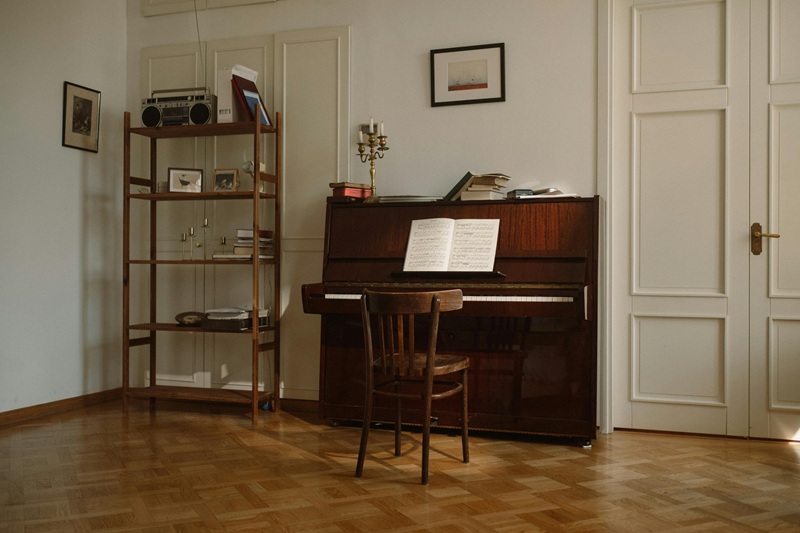
Uprights are the most common type of piano. They are moved with dollies and can often stay upright during the move. Their size makes piano moving easier, but stairs and narrow doorways can still present challenges.
How to Move a Baby Grand Piano
Baby grands require disassembly. Piano movers will remove legs, lyre, and pedals. Next, the piano movers will tilt the grand piano body onto a piano moving board. Padding is essential to protect the curved body and finish.
How to Move a Grand Piano
Grand pianos are heavier and longer than baby grands. Therefore, moving a grand piano often requires three to five piano movers. Moving grand pianos involves disassembly and sometimes the use of cranes. Grand piano moving is not a job for general movers.
How to Move an Organ
Organs are bulkier and more sensitive to vibration than pianos. Their internal components and pipes demand extreme care. Some piano movers also specialize in organ moving, but always ask first.
How to Move a Piano Across a Room
Even if you’re only moving a piano from one side of a room to the other, it’s still important to take proper precautions. Pianos are heavy and can easily damage flooring or walls if dragged or pushed without the right equipment. Even moving the piano a small distance can damage the instrument. Professional piano movers use furniture sliders or specialized piano dollies to move the instrument smoothly and safely across a room.
Piano Moving and Storage
If you’re not ready to receive your piano at its destination, you generally have two options for piano storage. One is professional piano storage through a mover like Guardian Relocation, which offers climate-controlled facilities to protect your instrument.
The other piano storage option is self-storage. However, this is less ideal due to potential temperature fluctuations that can damage the piano. To preserve its condition, keep the piano covered, elevate it off the ground, and avoid placing it in humid or unheated environments.
How Much Does it Cost to Move a Piano
How to Get a Piano Moving Estimate
Before providing pricing, reputable piano movers will ask for important details, such as the type of piano, pickup and delivery addresses, the number of stairs involved, the accessibility of the locations, and your desired timeline.
Many piano moving companies also offer virtual surveys or may request photos to assess the move better and provide an accurate piano moving estimate.
Factors Influencing Piano Moving Costs
Several factors can impact the overall cost of moving a piano. Understanding these elements can help you plan and budget more accurately:
- Type of piano (upright, baby grand, etc.)
- Distance of the move
- Stairs or hoisting required
- Insurance/valuation coverage
- Storage needs
Average Piano Moving Cost
Piano moving costs can vary widely depending on the type of piano, the distance, and any additional services required. Here’s a general idea of what to expect:
- Local moves: $500–$900 for upright pianos; $600–$1200 for grands
- Long distance moves: $1500+, depending on distance and complexity
- Hoisting or crane service can add $500–$1,500
- Storage: around $50–$75/month in a climate-controlled facility
Local and Long Distance Piano Moving Companies
Piano Movers: Columbus, Ohio
Our Columbus piano movers have moved everything from spinets to concert grands. Whether it’s a local gig or a cross-state relocation, we handle piano moving in Columbus with expert care and precision.
Piano Movers: Indianapolis, Indiana
Our headquarters includes trained piano movers in Indianapolis. We handle every piano move with care, from downtown apartments to suburban homes.
Piano Movers: St. Louis, MO
Guardian’s piano movers in St. Louis, MO, specialize in both residential and commercial piano transport. Our crews understand the unique architecture of older homes and urban spaces.
.